
The 5 Benefits of Incorporating Security Early in the Design Process
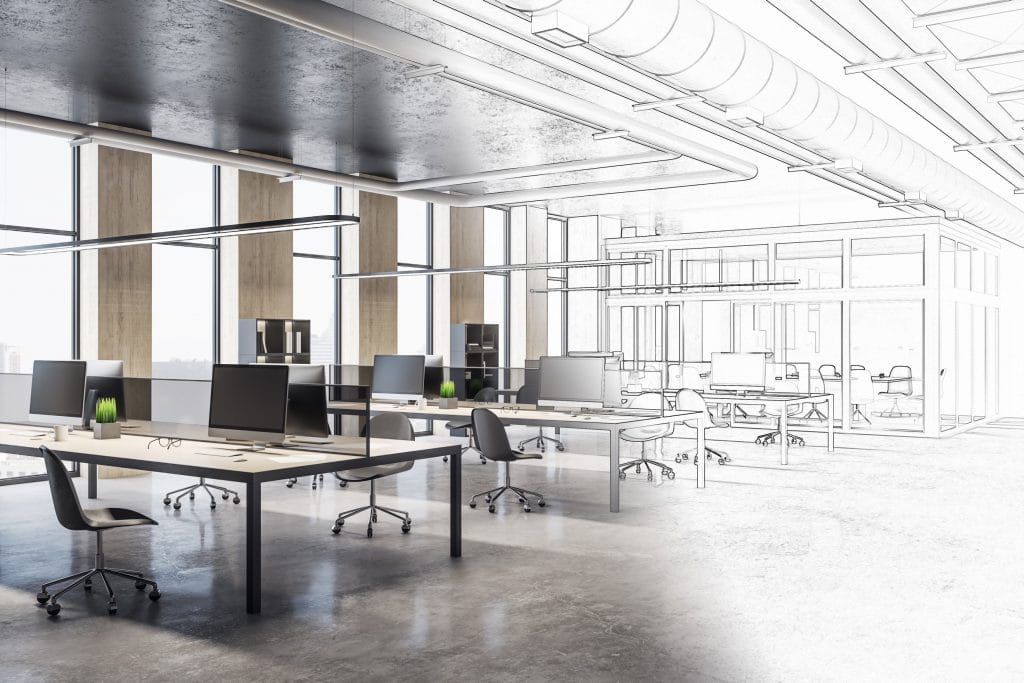
Given everything architects need to consider as they create designs for new construction, renovations, or restocks, it is important to incorporate security elements into the design early on.
Working collaboratively to ensure security is integrated cohesively provides several benefits: maintaining aesthetic goals, secure spaces, fewer mistakes, as well as on-time project finishes.
Here are five recommendations to enhance the design of security elements in the overall space plan.
1. Focus on the safety experience
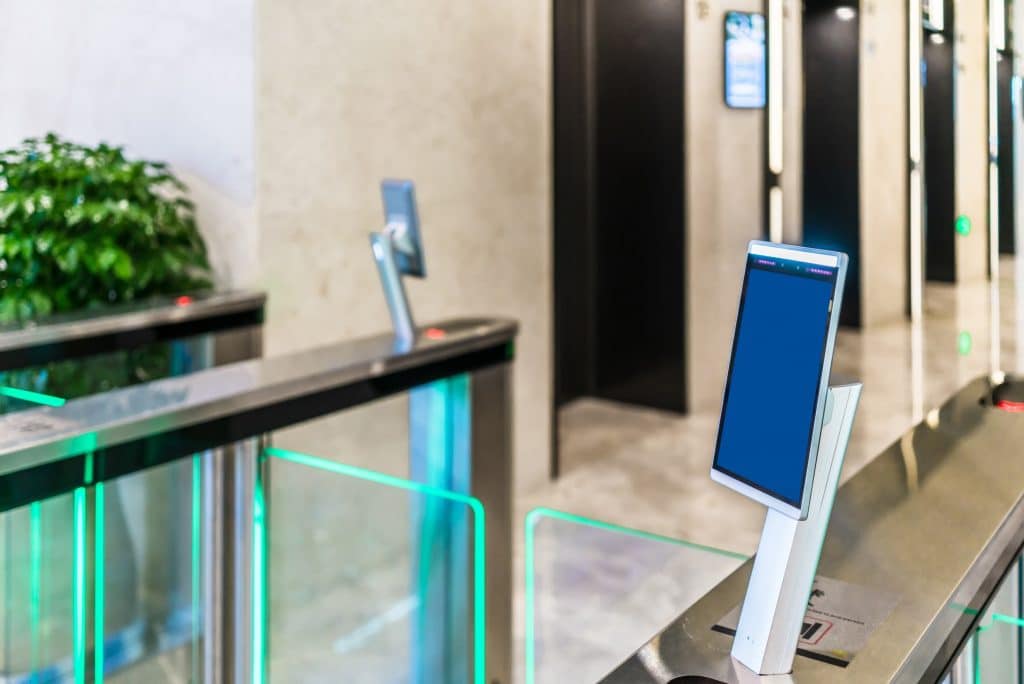
Incorporate security and safety into the occupant’s user experience, which from a security standpoint goes beyond door hardware and security field devices like card readers, cameras, and exit sensors or buttons.
2. Engage with each other as partners
It is equally important for architects to understand the operational risk mitigation of security consultants’ recommendations and for security consultants to understand the intent of architects’ design ideas. A collaborative process can result in an outcome that satisfies all parties.
3. Ensure security is an integrated part of the design
Security should be brought into the design process at the very start, so their input is reflected. Making security an integrated part of the design ensures an end result that is in keeping with the architectural and safety objectives.
4. Design with the entirety of the risk portfolio in mind
Consider security beyond field devices. Designing to reduce operational risk will provide greater safety for those who experience the space.
5. Understand the need to have a broad definition of security
Similar to what is noted above, establish security’s role in mitigating amplified risks such as active or insider threats, general awareness, and perimeter protection.
The Takeaway
Start thinking of security as an essential risk mitigation component of the space by focusing on how to plan space design with security engaged as part of the risk calculation.
Click here to download these 5 steps in a single-page flyer.
- Product’s Usage
- Basis of Design
- Product’s Quality
- Product’s Cost
- Compliance with the customer’s functional requirements
- Documented approach on meeting customer requirements
- Vendor’s Competency Level
- Vendor’s Financial Position
- Relevant Client References
- Project Closeout
Additional Reading
7 Ways Security & Architectural Design Can be Seamless
Incorporating Security Into Controlled Substance/Biotech Facility Design
Best Practices around Security through Environmental Design
Designing and Building an Effective SOC That Meets Your Unique Needs
- Product’s Usage
- Basis of Design
- Product’s Quality
- Product’s Cost
- Compliance with the customer’s functional requirements
- Documented approach on meeting customer requirements
- Vendor’s Competency Level
- Vendor’s Financial Position
- Relevant Client References
- Project Closeout
About Atriade
Key Takeaway: Atriade is an independent, MBE/SBE certified physical and electronic security consulting firm with more than 30 years of experience, serving as owner’s representative on 500+ projects across 60+ industries in 30+ countries.
Atriade is an independent physical and electronic security consulting firm with more than 30 years of experience. We act as the owner’s representative and trusted advisor from assessment through execution. We are not a product reseller or a systems integrator, so recommendations are based on what the organization needs rather than what a vendor sells.
Our work covers security assessments and risk analysis, program strategy and master planning, system design for access control, video surveillance, perimeter protection and visitor management, implementation oversight and project management, and lifecycle support.
To date we have completed 500+ projects across 60+ industries in 30+ countries, including work for Fortune 50 companies, Ivy League universities and leading technology firms in Silicon Valley. Atriade is a certified Minority Business Enterprise (MBE) and Small Business Enterprise (SBE).
Visit us online at Atriade.com
Connect with us on LinkedIn
Subscribe to our LinkedIn newsletter, Take A Risk
Keep the existing hyperlinks on all three closing lines exactly as they are set on the current posts.
Frequently Asked Questions
Why should security be incorporated at the start of the design process?
Bringing security into the design process at the very start ensures its input is reflected in the final plan. This helps keep the end result aligned with both architectural and safety objectives. Early integration also supports fewer mistakes, more secure spaces, and project finishes that stay on time rather than forcing security changes later.
How does early security planning help maintain architectural goals?
Working collaboratively to integrate security cohesively helps maintain aesthetic goals while creating secure spaces. Security planning is not limited to door hardware, card readers, cameras, or exit devices. Treating security as part of the overall space plan allows design intent and protective measures to support each other instead of competing late in the project.
What does it mean to focus on the safety experience in space design?
Focusing on the safety experience means incorporating security and safety into the occupant’s user experience. From a security standpoint, that goes beyond selecting field devices such as card readers, cameras, exit sensors, or buttons. It requires planning security as part of how people experience the space, which strengthens safety outcomes across the environment.
Why should architects and security consultants work as partners during design?
Architects need to understand the operational risk mitigation behind security recommendations, and security consultants need to understand the intent of architectural design ideas. A collaborative process can produce an outcome that satisfies all parties. That partnership reduces disconnects during design and helps balance risk concerns with the practical goals of the overall project.
How should security be defined when planning a new construction or renovation project?
Security should be defined broadly as an essential risk mitigation component of the space. That includes thinking beyond field devices and considering amplified risks such as active or insider threats, general awareness, and perimeter protection. Designing with the full risk portfolio in mind supports greater safety for the people who use the space and improves decision making early.
- Categories:
- Blog,
- Security Design