
7 Ways Security & Architectural Design Can Be Seamless
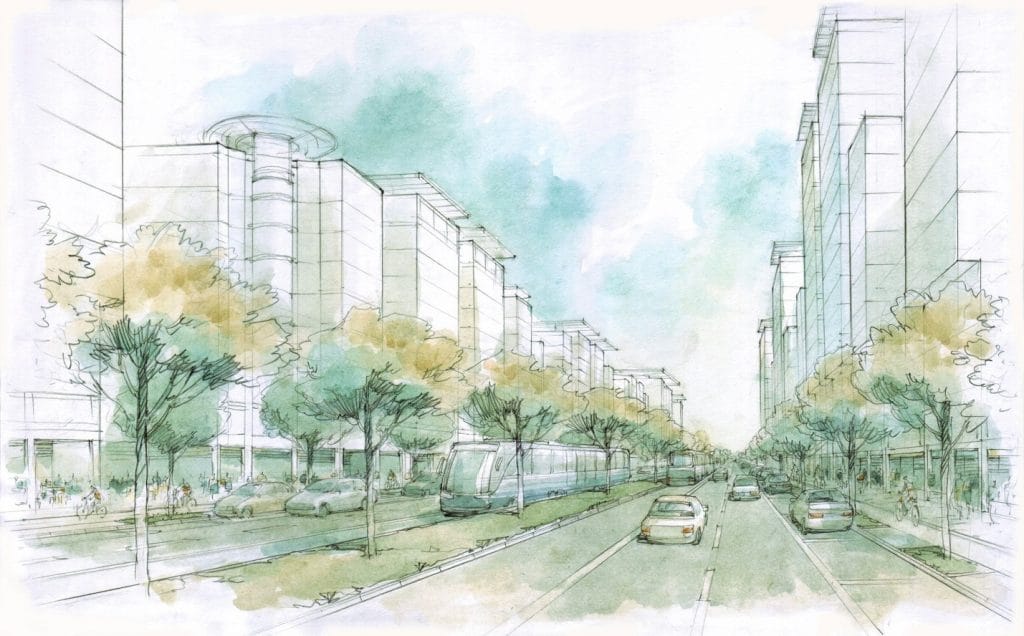
Security consultants are advisors and supervisors who work with security protocols, plans, systems, and strategies. They also work closely with architects in many aspects of building design.
But can that relationship be completely symbiotic?
The most effective way to ensure building design and security seamlessly exist is for architects and security consultants to work closely together on behalf of the client.
Taking a team approach and working in concert early in the design process, will help lead to fewer change orders and ensure projects finish in a timely fashion.
The ultimate goal is for both parties to take pride in having produced an aesthetically pleasing space that incorporates the latest in safety technology.
Here are some suggested steps:
1. Determine the operational intent
Being able to respond early during the design phase and anticipate the needs of architects is crucial to any security design process. Perhaps begin by determining the operational intent of the security door hardware and field devices. This includes ensuring they meet the needs of the end–user as well as life safety/egress code.
2. Know who is installing components
Discover who is providing and installing the various components—locks, wiring, conduit, stub-ups, junction boxes, rough-ins, card readers, and head-end panels. Know who is terminating each one.
3. Incorporate ADA-accessible heights
Discuss the installation heights for the security devices—distance above the finished floor to the middle, top, or bottom of the device. Ensure devices are installed at ADA-accessible heights.
4. Request product data sheets
Ask what finish/color options are available for door hardware and security field devices like card readers, cameras, exit sensors, and buttons. Request product data sheets to review aesthetics.
5. Use architectural door numbers
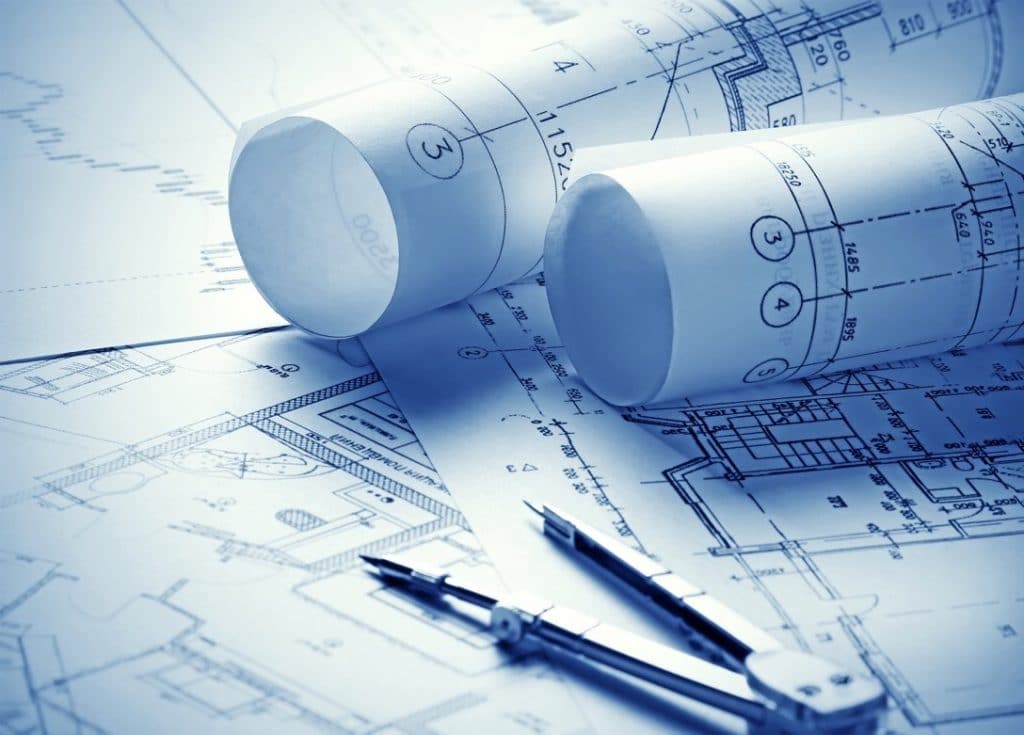
Request that the security consultant and related trades use architectural door numbers for device numbering/naming. This supports ease of coordination and tracking.
6. Coordinate field device locations
Inquire as to whether field device locations have been coordinated with other trades—plumbing, fire, signage, lighting, and sprinklers to limit design errors.
7. Ensure requirements are coordinated
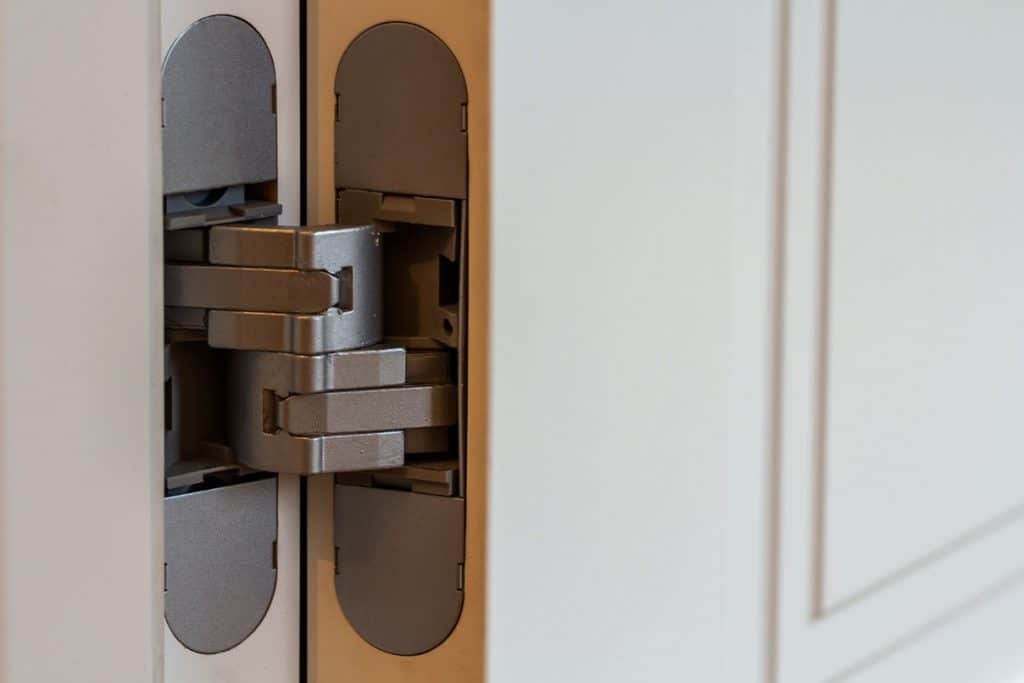
Help ensure field device requirements such as power, network, rough-in, etc. have been coordinated with other trades. This can help minimize costly slowdowns or shutdowns during construction.
The Bottom Line
Projects will exceed expectations when the architects and security consultants communicate early in the process. By incorporating security into aesthetics, the result is the best of both worlds.
Click here to download these 7 steps in a single-page flyer
- Product’s Usage
- Basis of Design
- Product’s Quality
- Product’s Cost
- Compliance with the customer’s functional requirements
- Documented approach on meeting customer requirements
- Vendor’s Competency Level
- Vendor’s Financial Position
- Relevant Client References
- Project Closeout
Best of both worlds
The 5 Benefits of Incorporating Security Early in the Design Process
Incorporating Security Into Controlled Substance/Biotech Facility Design
Best Practices around Security through Environmental Design
Designing and Building an Effective SOC That Meets Your Unique Needs
- Product’s Usage
- Basis of Design
- Product’s Quality
- Product’s Cost
- Compliance with the customer’s functional requirements
- Documented approach on meeting customer requirements
- Vendor’s Competency Level
- Vendor’s Financial Position
- Relevant Client References
- Project Closeout
About Atriade
Key Takeaway: Atriade is an independent, MBE/SBE certified physical and electronic security consulting firm with more than 30 years of experience, serving as owner’s representative on 500+ projects across 60+ industries in 30+ countries.
Atriade is an independent physical and electronic security consulting firm with more than 30 years of experience. We act as the owner’s representative and trusted advisor from assessment through execution. We are not a product reseller or a systems integrator, so recommendations are based on what the organization needs rather than what a vendor sells.
Our work covers security assessments and risk analysis, program strategy and master planning, system design for access control, video surveillance, perimeter protection and visitor management, implementation oversight and project management, and lifecycle support.
To date we have completed 500+ projects across 60+ industries in 30+ countries, including work for Fortune 50 companies, Ivy League universities and leading technology firms in Silicon Valley. Atriade is a certified Minority Business Enterprise (MBE) and Small Business Enterprise (SBE).
Visit us online at Atriade.com
Connect with us on LinkedIn
Subscribe to our LinkedIn newsletter, Take A Risk
Keep the existing hyperlinks on all three closing lines exactly as they are set on the current posts.
- Categories:
- Blog,
- Security Design