
In honor of World Photography Day, Tristin Vaccaro, executive director of Mission 500 and a recognized voice in the security industry, sat down with Mohammed Atif Shehzad, Atriade’s Founder and Managing Director, to talk about the practice behind his photography: an early Pentax film camera, the places that have stayed with him, and the discipline of learning to see a scene before capturing it. Their conversation also explores the connection between photography and security consulting, two practices grounded in close observation and an understanding of the environment.
For more than two years, Mohammed has been sharing his own photographs on LinkedIn every Friday. Drawn from travel, landscapes, wildlife, and quieter moments that catch his attention, the images offer a glimpse of the perspective he brings to photography.
By day, Mohammed advises organizations on physical security. Photography offers a different kind of attention. He reflects on composition, intention, and the connections he sees between understanding an environment through a lens and understanding it as a security consultant.
The conversation has been edited for clarity and length.
How and when did you first get into photography?
My dad liked photography and taking pictures, so we always had a camera in the house. I was probably around 13 or 14 years old when he bought me my own Pentax film camera. I remember taking it to a cousin’s wedding and shooting a bunch of photos there. As luck would have it, they all turned out pretty good for a kid. Other people and family members also loved them, and their encouragement was what I needed to stick with it.
I kept that camera for a long time. What kept drawing me back was the way a single photo could tell the story of a moment but leave you wondering what happened before and after it. It’s a way to recall multiple memories as the photographer and inspire imagination in viewers.
Eventually I bought my first real camera after college. That is when I started gravitating towards landscapes and nature, and from there it just kind of kept growing.
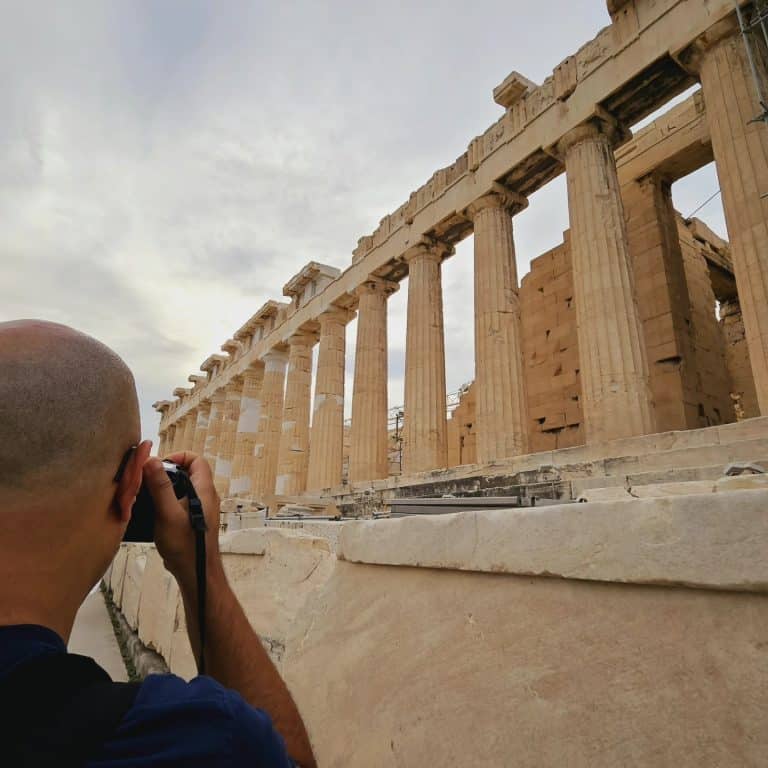
A lot of your photos are taken from your international travels. Would you say you travel to take photos, or are good photos a benefit of traveling?
Traveling is my first passion, even before photography. My dad worked for an airline, and I got on my first plane around age two. I just fell in love with the airplane itself, so travel is in my DNA. Great photos really became the added benefit of going somewhere new and capturing certain moments from a trip. I would travel to exciting places even if I didn’t get to take pictures.
Travel is also a great way to keep the hobby alive. We all get so busy with our daily lives that it’s not always realistic to just grab a camera and take pictures while walking about town. Photography became an activity tied to travel. It’s a time when I take my gear with me and my mind can focus on how I want to capture things.
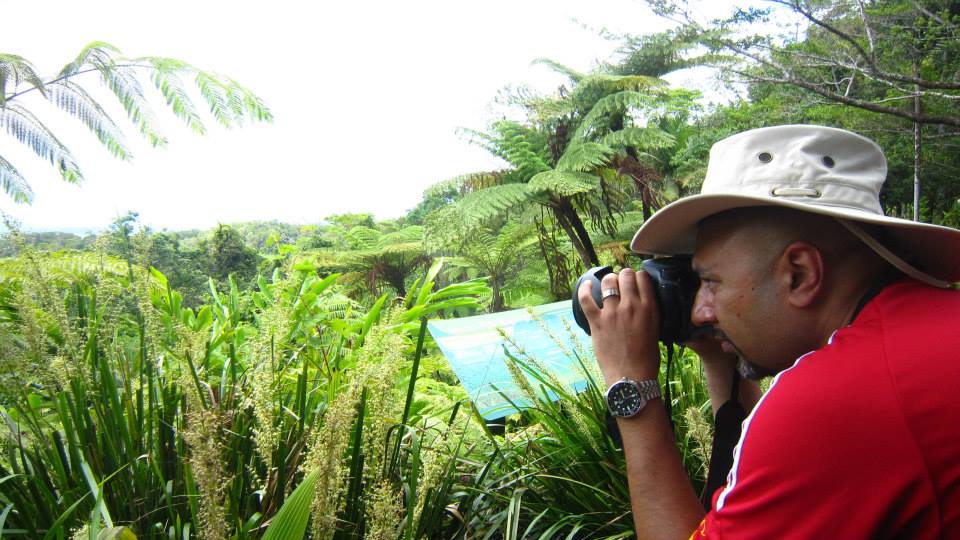
What are some of the most beautiful or interesting places you’ve photographed?
Photographing the northern lights in Norway was an incredible experience. To be able to capture the lights at so many different spots, we were very fortunate. I think that’s one of the real highlights in terms of my photography experience.
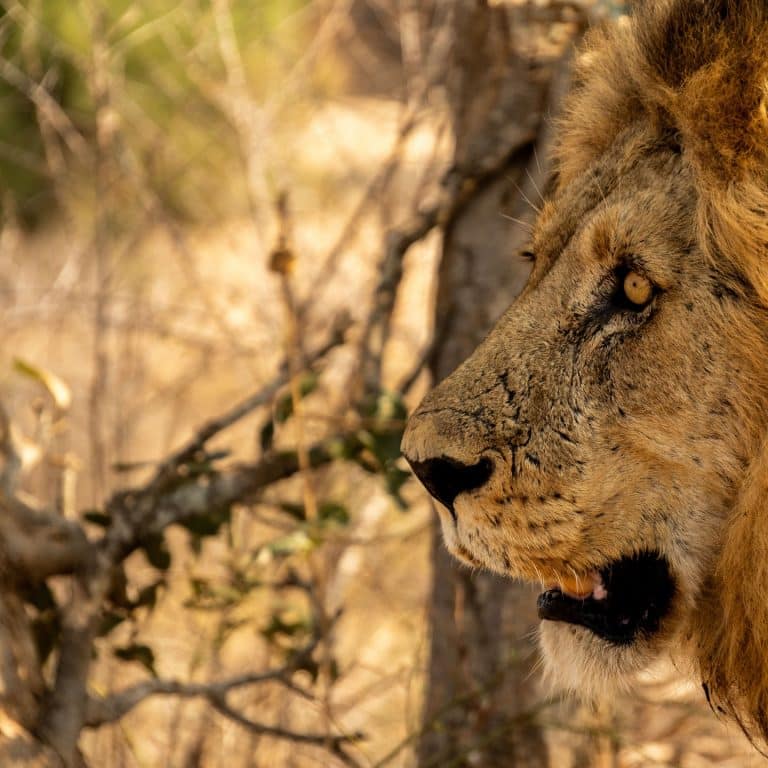
Certainly the safari in Africa. Once you’ve been into photography for a while, you hit a ceiling and start looking for new ways to challenge yourself. I ended up taking a class on wildlife photography. I paid special attention going in because I knew my trip to Africa would be largely photography-focused. That preparation certainly paid off.
Is there any connection between how you see the world as a photographer and your professional career as a security consultant?
This is a great question that I’ve never really thought about! I’d say, a huge part of photography is composition. Some people call it a good eye, but composition is all about understanding your environment, understanding the subject, and understanding what message you’re trying to convey with your photograph. You want the viewer’s eye to go to the point you’re trying to emphasize in the picture and guide them toward it.
That’s what we do as security consultants, right? We’re always trying to understand the current state of an organization and their environment. It’s knowing what’s relevant in that state and driving a client to a better outcome from where they are.
On the same note, AI is rapidly changing how things are done everywhere, security and photography included. How do you feel like you’ve adapted to this change?
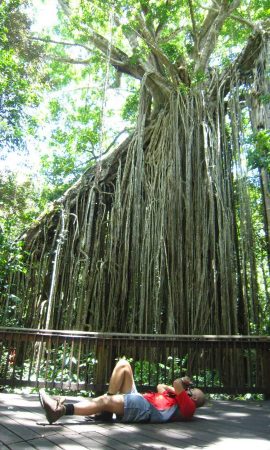
AI is a great tool if you use it as a tool. Professionally, AI can’t go into a space and say, “This is what’s missing here.” It works the same in photography. AI is not going to compose the picture for you. It’s up to you to capture the scene. You still must have that eye for capturing the moment to be a good photographer.
That being said, I heavily resisted editing my photos for a while because I felt it altered the image beyond what I intended. But I’ve come around to it. I appreciate using AI tools on the editing side because I’m not great at editing. AI has enabled me to do simple things faster, like making pictures sharper or adjusting the brightness. Again, it’s a tool that enhances your ability, but can’t replace your vision.
What advice do you have for someone looking to get into photography?
Just dive into it. Don’t worry about the gear or the type of camera. Today’s smartphones put a powerful camera in everyone’s pocket. But it’s also removed the need for the intentionality that film once demanded. So don’t just snap away. Take a step back and appreciate what you’re about to capture. Photograph interesting things. Find something that interests you, then create a theme.
I had a photography teacher once tell us to step outside of the zone of mediocrity. We have a habit of standing up with a phone in front of their chest and snapping a picture. He used to call anybody taking a picture from the shoulder to the hip the zone of mediocrity. So get out of the zone of mediocrity as well as your comfort zone.
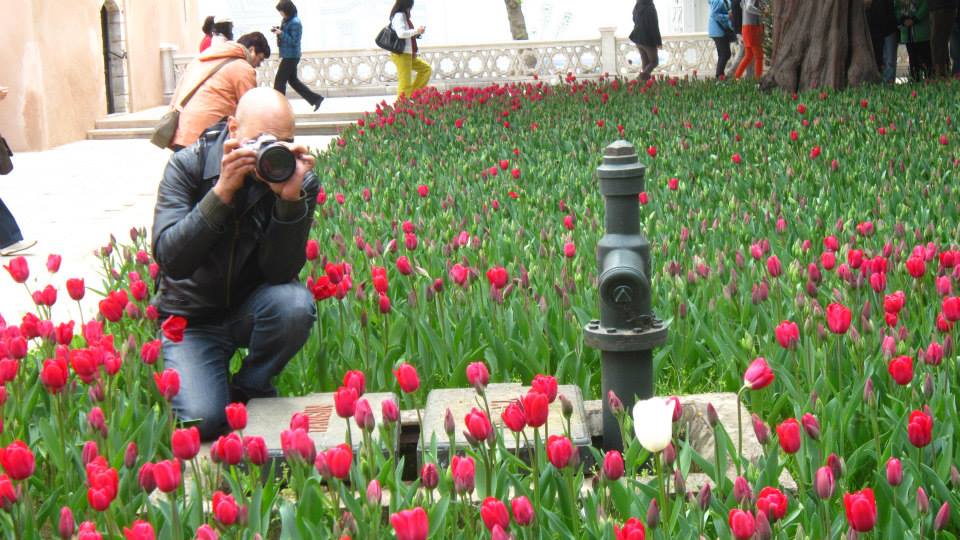
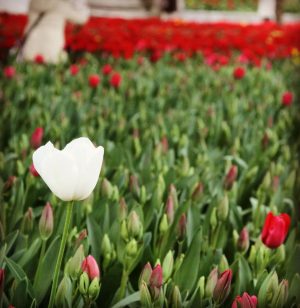
You mentioned that smartphones have removed some of the intentionality from photography. How do you make sure you don’t fall into that same trap?
I actually have a very hard time creating good composition when using my phone. Because when you hold your phone in front of you, you’re seeing the frame on the screen but also everything else around it. Your eye is constantly pulled in different directions without you even realizing it.
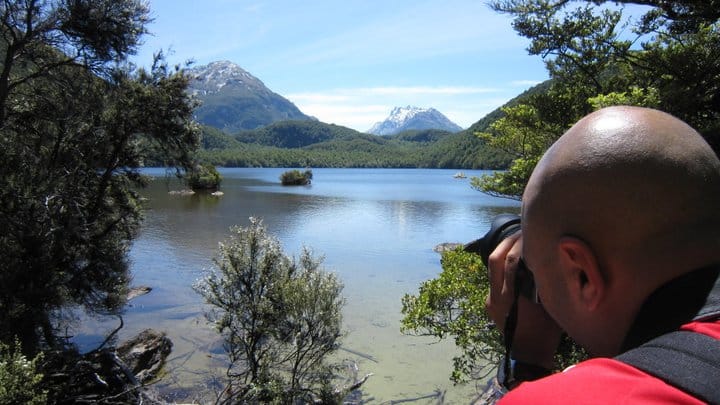
That’s why I generally refuse to take pictures through a camera’s screen. I always shoot through the viewfinder because when you put that viewfinder up to your eye, that’s all you see. The rest of the world closes off. Your peripheral vision doesn’t exist, so you’re entirely focused on the subject and the frame in front of you. That kind of focus changes everything about how a photo comes out.
Speaking of focus, can you tell me a bit about #AtriadeFridayFocus and how that got started?
Every Friday, I like to share one of my photos on my personal LinkedIn with the hashtag #AtriadeFridayFocus. LinkedIn is obviously a very work-focused platform, so I wanted to contribute something that was a little more lighthearted. I’ve been inspired by other people’s photos, so I thought this would be a good way to both inspire and share a part of my personal life.
As for what I post, I like to keep it seasonal or topical when it makes sense. I’ll post foliage in autumn or snow pictures in winter, but there isn’t always a theme. I think it’s just another outlet for getting my photos out there, which I think is important as a photographer.
Follow Mohammed on LinkedIn and never miss a #AtriadeFridayFocus
Is there a singular photo you’re most proud of, and what’s the story behind it?
There are two pictures that immediately come to mind.
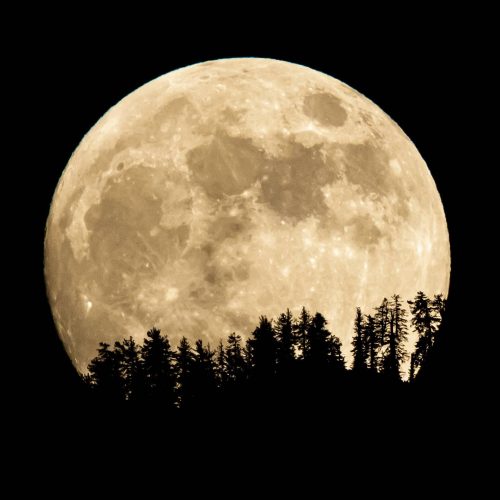
First is a photo of a full moon rising over Sequoia National Forest. My wife and I hiked out there two hours before the moon was going to rise and scoped out the location. When the moon finally rose, I had one of my settings wrong, and none of the pictures came out. I was getting frustrated and frantic about it, but eventually the pictures did start to come out right and became some of my favorites.
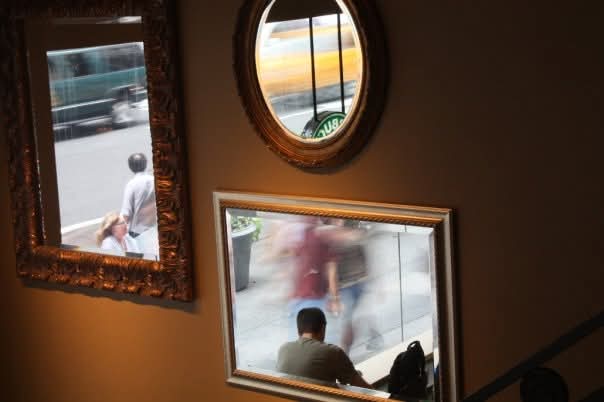
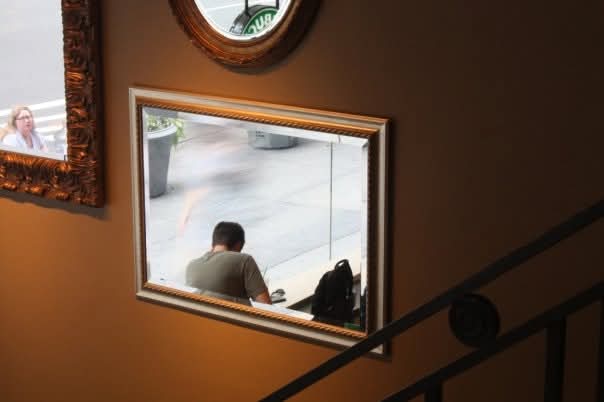
I also took a few photos in a New York City Starbucks. There were a bunch of mirrors on the wall across from where this one gentleman was sitting. I wanted to capture the serenity of the scene inside juxtaposed with the chaos of the city outside. The photo of him sitting there with the blurred faces of people walking by the window — that to me was a really cool photograph.
How does photography composition relate to physical security consulting?
Composition begins with understanding the environment, the subject, and the message a photograph should convey. In security consulting, the comparable work is understanding an organization’s current state and environment, identifying what is relevant, and directing attention toward the conditions that matter. The objective is not merely to observe, but to help the client move toward a better outcome from their current position.
Can AI replace professional judgment in security consulting or photography?
AI can be useful as a tool, but it cannot enter a space, determine what is missing, or replace professional judgment about the environment. Effective use depends on people who can assess the situation and apply context. AI can support tasks and improve speed, while responsibility for seeing the conditions and making decisions remains with the practitioner.
How can photographers maintain intentionality when using smartphones?
Smartphones place a capable camera in easy reach, but they can encourage taking images without pausing to consider what is being captured. Intentionality begins with stepping back, identifying an interesting subject, and establishing a theme. The aim is to move beyond simply snapping a picture and give attention to the moment, subject, and frame before taking the photograph.
Why shoot through a camera viewfinder instead of a screen?
Shooting through a viewfinder limits visual distractions by closing off peripheral surroundings and concentrating attention on the subject and frame. A phone screen can leave the eye pulled in several directions because the photographer sees both the frame and the environment around it. That more contained point of view supports deliberate composition and can materially change how the photograph turns out.