
Video Analytics in Security Planning

Traditional surveillance methods have long been a part of a detailed security plan. With the continued advancement of surveillance technology, camera and server-based analytics and now artificial intelligence (“AI”) can provide a whole new level of protection. In this article, we’ll explore the world of video analytics, its various applications, its benefits, and how AI can enhance a comprehensive security plan.
However, analytics also has a mixed track record in the security industry. It has been over-promised beyond its capabilities or overused in incompatible use cases. This has legitimately led security stakeholders to have a certain mistrust of the technology. A deeper understanding of the technology, best practices, and use cases will help any organization determine the best fit for their needs.
Why Invest in Video Analytics?
Analytics can supplement video monitoring by providing proactive alerts using properly configured thresholds so the security staff can respond effectively.
This area of technology continues to evolve. For example, some of the new AI-assisted technology in video and camera analytics can be set up for parameters to monitor (or watch for) and catch information that human security staff would likely miss. Often in today’s video surveillance platforms, a security officer or officers have more cameras than an individual can actively monitor, leaving some areas of interest vulnerable.
When used properly, camera analytics are a powerful tool for businesses and organizations of all types and sizes. Some of the key benefits include:
- Enhancing security through proactive measures. When security is primarily reactive, it will always be limited. Video analytics expands your proactive capability, saving time and money and reducing overall threats.
- Reducing manual monitoring. People are an essential security asset. Using them for repetitive manual monitoring limits their ability to focus on response, implementation, and improvement. Instead, use technology to do the monitoring. This will improve the effectiveness of incident response and management.
- Providing actionable data for continuous security improvement. Increased data can be utilized for ongoing improvement in every area of security. When creating your security plan, you should establish who is responsible for what tasks and how reporting will be managed and held accountable.
As a measure to provide a more intelligent and efficient approach to your security posture, using analytics, artificial intelligence (AI), and machine learning as surveillance tools enables us to analyze real-time video footage to track, alert, and respond to specific events, persons or objects within a camera’s field-of-view. Additionally, and in tandem, these tools can be used to forensically examine historical or archived data to identify, track, and support or validate a response action, providing a more intelligent and efficient approach to security.
Best Practices for Planning Video Analytics
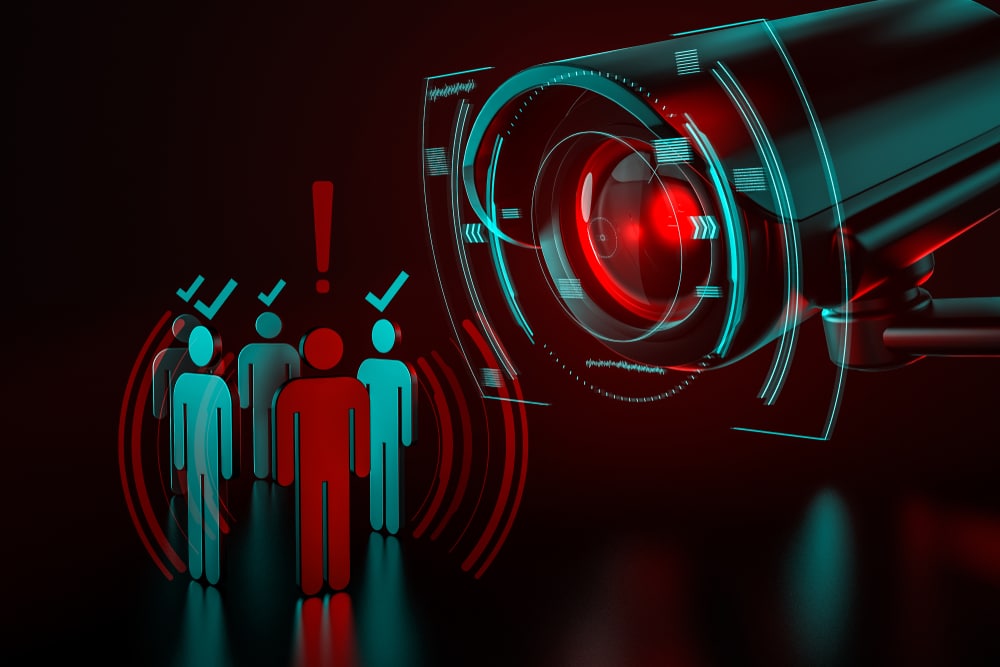
Video analytics can be used in a wide variety of applications. To make a good choice, think about what exactly you want to watch over. Do you need it for indoor or outdoor places? Are you looking for clear images to recognize people, or is a basic system okay? Also, consider the lighting where you’ll use it. Some cameras work better in low light. Are you looking for analytics on the edge (embedded in the camera) or at the server level? The budget is relevant as well. Think about how much you can spend.
Some common areas covered include:
- Privacy and Protection
- Proactive Intelligence
- Forensic Analysis
All your camera analytics tools should be integrated into your overall security plan. Leverage internal and external resources who can help ensure you are not missing opportunities and are investing in the correct equipment for your needs based on their extensive past implementation experience. Keep in mind these best practices:
Understand the technology
Security personnel must be trained to understand how camera analytics work and how they fit into the overall security plan. They should know the analytics types, capabilities, and limitations.
Implement proper utilization and response
Training ensures that security personnel know how to use camera analytics effectively. They should be able to configure the system, set up alerts, and interpret the data provided by the analytics. This knowledge enables them to monitor and respond to security threats proactively. It is vital to develop the skills and personnel to assess the situation accurately and take appropriate actions, such as contacting law enforcement or issuing warnings.
Integrate with other systems
In an integrated security plan, the video surveillance platforms often work with other security systems, such as access control or alarm systems. Security personnel must understand how these systems interact and how to coordinate their responses effectively.
Consider privacy and ethics
Training should also cover the privacy and ethical considerations of analytics, business intelligence, and AI. Security personnel must know how to balance security with individuals’ privacy rights and adhere to ethical guidelines when using this technology.
Continuously improve
Every system needs ongoing review, evaluation, and improvement. Analytics is no exception. As video analytics and security technology evolve, the plan must stay updated with new opportunities and best practices. These steps should be built into the plan from the beginning.
Available Technology and Use Cases
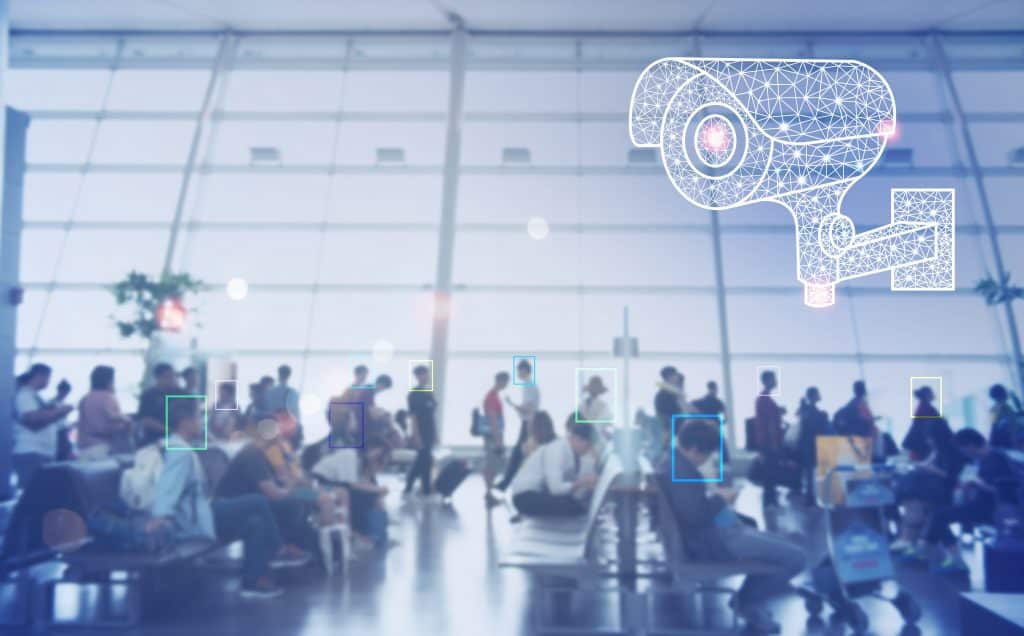
Unfortunately, some people buy into using these advanced systems, and it doesn’t work to accomplish their goals. There are some common reasons that this happens – and if you know that ahead of time, you can avoid these pitfalls to get the most value from your systems. Here are some practical examples of the types of technology available and their uses.
- Enhancing real-time monitoring
- Automating threat detection and response
- Reducing the workload on security personnel
- Facial recognition
- License plate recognition
- Object left behind/detected
- Heat mapping
Case Study: University Campus Security
Video analytic technology allows continuous monitoring of an area and promptly can create alerts when it detects anomalies based on various parameters we’ve configured for each video stream. This can be effective for perimeter protection, wrong-way traffic (people or vehicles), and monitoring access to critical or highly secure rooms or doors.
One of the most appreciated advantages of camera analytics is its potential to reduce the data mining and analysis workload on security personnel. By automating routine tasks like continuous monitoring, camera analytics allows security personnel to focus on more critical tasks.
A practical, real-life scenario that utilizes both elements is a higher education university with large grounds to cover. One institution used camera edge analytics on terraces to identify people getting too close to the edge of the terrace. They also used a smart application with an audio warning message, guiding individuals to step back from the edge and preventing accidents while enhancing safety. The same technology was used in stairwells to detect leaning over or tripping in their stairwells.
The analytics’ goal was to provide a proactive means of alert and response to the security staff so they did not have to continuously monitor the terraces and stairs in a live control room environment.
Case Study: Utility Protection and Monitoring
One of the potential benefits of analytics is its ability to automate the detection of threats and responses. It detects potential issues, like intruders or unauthorized access, and quickly sends alerts or notifications. This ensures that security personnel and relevant authorities are promptly informed and can take appropriate action.
For example, many utility companies use analytics to monitor the camera streams on their perimeters to alert command center operators when a person climbs or crosses fencing around their substations.
When there are too many camera feeds to actively monitor from the human perspective, detecting this threat and capturing the information is the first step. The data can then be utilized for real-time response and in developing complementary security response plans.
Case Study: Airport Security
Many people are familiar with facial recognition as a security measure for identifying and verifying individuals. This does not only have to happen on an individual level. It can also identify the number of people in a room at any given time. This is more accurate and specific than simple heat mapping or perimeter tracking. Both aspects are useful tools for airport security, especially in highly sensitive areas.
Camera analytics can also be used for reading and recognizing vehicle license plates. This can be used both in security review, and before allowing vehicular access to secure areas. One way this is used is in security review, but it can also be used to verify vehicular access before allowing entrance.
Finally, airports can utilize object left-behind technology to vigilantly watch for unattended items or potential theft, enhancing security in public and restricted spaces. Like many other applications, it can be used strictly for monitoring or be connected to alarms or notifications.
Determining which technologies make sense for your specific use case depends on your goals, company structure, and existing systems. Utilizing specialists to help with your security planning process who are up-to-date on all the existing options will help you maximize your success.
These are only a few examples of how these systems can be integrated, and the possibilities will continue to grow.
Where Camera Analytics is Heading in an AI-Enabled Future
The future of analytics in security planning holds exciting possibilities. Beyond traditional security, there are many potential applications. For example, in healthcare facilities, camera analytics could ensure patient safety and reduce falls. Smart cities will be able to utilize camera analytics to enhance traffic flow, detect environmental concerns, and improve overall planning. These innovations will bolster security and improve the quality of life in various settings.
Integrating AI and camera analytics will play an increasing role in security planning. As AI algorithms become more sophisticated, they will provide predictive analytics that anticipate security threats. This proactive approach will enable security personnel to prevent incidents before they occur. AI’s ability to analyze vast amounts of data will yield actionable insights for continuous security improvement. This convergence of AI and camera analytics will enhance real-time monitoring and forensic analysis, offering a more comprehensive and efficient security solution.
Conclusion
Video analytics are effective tools when used correctly. Businesses should consider the opportunities compared to their business goals and resources as compared to their specific risks. Evaluate carefully which pain points each element of your plan addresses so that you can activate the best options in your case.
As with all other technology adoptions, the best practice is always to test and validate new concepts and technologies in your own environment for specific use cases and risks that you are trying to mitigate. Analytics, AI, or machine learning can be very effective tools to reduce your organization’s safety, financial, and administrative risks.
About Atriade
Atriade is a trusted security consulting firm with decades of experience delivering tailored security solutions. We specialize in security system design for access control, perimeter protection, video surveillance, visitor management, and other advanced physical security technologies.
Our expertise also extends beyond system design to include security master planning, program development, risk assessments, professional services, and end-to-end project management.
For more than 20 years, we have partnered with Fortune 50 companies, Ivy League universities, and leading technology firms in Silicon Valley to help them navigate complex security challenges with a strategic, forward-thinking approach.
Visit us online at Atriade.com
Connect with us on LinkedIn
Subscribe to our LinkedIn Newsletter Take A Risk
What are the operational benefits of integrating video analytics into a security plan?
Video analytics shifts security from primarily reactive monitoring to proactive alerting based on configured thresholds. When properly implemented, it enhances response times, reduces manual monitoring demands, and generates actionable data for continuous improvement. This allows security personnel to focus on higher-priority tasks while improving incident management, accountability, and overall program effectiveness across complex environments.
What best practices should organizations follow when planning video analytics deployment?
Planning should begin with clearly defining use cases, lighting conditions, image quality requirements, and whether analytics will operate at the edge or server level. Integration into the broader security plan is essential, along with training personnel to understand system capabilities and limitations. Privacy considerations, cross-system coordination, and ongoing review must be built into the lifecycle to maintain effectiveness and compliance alignment.
How can video analytics reduce workload while improving threat detection and response?
Video analytics automates routine monitoring and detects anomalies based on predefined parameters, generating alerts without constant live observation. Use cases such as perimeter protection, wrong-way traffic detection, and object identification demonstrate how automation reduces data review burdens. This enables personnel to prioritize critical decisions while ensuring timely response and better documentation of security events.
What risks arise when organizations overestimate the capabilities of video analytics?
The article notes that analytics has been over-promised or misapplied in some cases, leading to unmet expectations. Without a clear understanding of technology capabilities, integration requirements, and proper configuration, organizations risk investing in systems that do not align with operational needs. Testing, validation, and alignment with defined security goals are necessary to avoid gaps in performance and oversight.
How is AI expected to influence the future of camera analytics in security planning?
As AI algorithms mature, analytics will increasingly provide predictive insights that anticipate potential security threats. The ability to analyze large volumes of data in real time and extract actionable intelligence supports proactive prevention, continuous improvement, and more informed decision-making. This evolution strengthens monitoring, forensic analysis, and overall security program effectiveness.
- Categories:
- Blog,
- Video Surveillance