
In a previous post, we discussed how professional services help align security technology, processes, and people through the expertise of specialized providers. One area where that alignment becomes especially important is alarm reconciliation. Examining alarm management through this lens provides a practical way to understand how professional services turn alarm signals into meaningful operational action.
Alarm reconciliation isn’t just about filtering out false alarms. Nor is it about the tools used to do so. It’s a complex process that considers risk, operational context, and organizational governance – the cornerstones of professional services – to ensure alarms drive meaningful action.
Without professional services, alarm reconciliation often descends into an unintended headache with inconsistent rules, ad hoc responses, and all too familiar alarm fatigue. Slapping AI software on the problem won’t solve it either.
Only through thoughtfully applied professional services can alarm reconciliation move from a reactive process to a structured, risk-driven approach as outlined below.
Functional design begins with understanding the full operational picture. From an alarm reconciliation standpoint, this means identifying what the organization is trying to achieve and how current alarm signals support or hinder those goals. With this insight, a professional services provider can build a functional design that establishes which signals are meaningful, which can be deprioritized or ignored, and how to rank them based on risk.
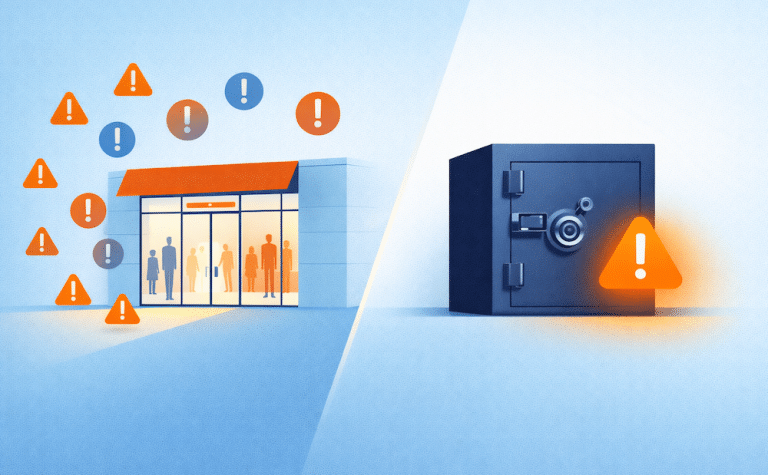
For example, in a retail environment, perimeter alarms at a public entrance may generate frequent, low-priority alerts, whereas alerts from a safe room storing cash are high priority. Based on this risk-informed ranking, functional design shapes standard operating procedures and response protocols. It also informs decisions about where and what sensors should be placed, how alerts should flow through the system, and how false alarms are addressed. This is functional design in action.
Professional services include the process of gathering input from various stakeholders to balance the strategic priorities and tactical realities of alarm management. Conversations with leadership ensure alignment with organizational goals, those with management highlight recurring operational issues, and operators provide insight into real-world workflows and alarm frequency.
Those providing professional services are often better equipped to engage with stakeholders. They communicate with immediate stakeholders working with alarms, while ensuring that indirect stakeholders, such as legal or compliance, are engaged only when required. In this way, professional services create a governance plan that guides resource allocation, system configuration, and workflow design.
Proper programming and configuration ensure that the right people get the right information at the right time so they can take the right action. This is especially critical when it comes to alarms. Proper programming starts with a technical plan that translates the functional design into actionable system logic. Configuration then requires tailoring this plan to the tools available. It could be as simple as renaming and prioritizing events or onboarding new software to address response gaps.
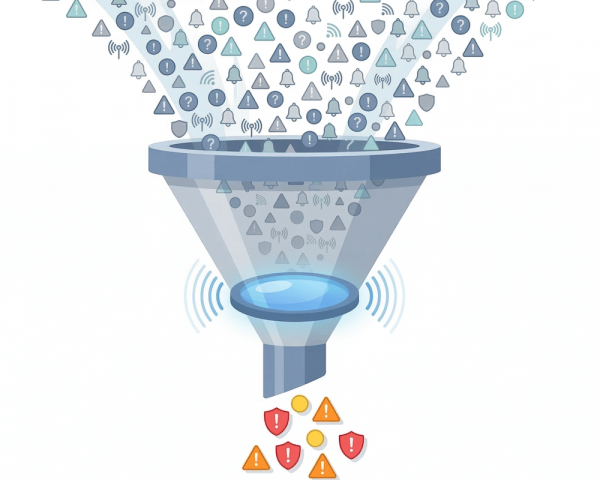
UAT is an essential part of alarm reconciliation, especially when deploying security at scale. For example, deploying a system at a single location allows teams to observe changes in alarm volume, verify that critical signals are visible, and identify any gaps before scaling across the enterprise. By testing workflows in a live environment with those actually monitoring and responding to alarms, you gain insights that can’t be captured on paper.
Training is most effective when it happens as close to implementation as possible. Conducting training too early risks people forgetting the new procedures and reverting to bad habits (ignoring alarms, not following standard operating procedures, etc.), which can create operational risks when alarm processes go live. By aligning training with both technical configuration and operational workflow, teams are prepared to act confidently and consistently – the keys to an effective alarm response.
In many organizations, alarm reconciliation hasn’t been implemented in a coordinated, standardized way. This could be due to a breakdown in (or lack of) programming, stakeholder engagement, functional design, etc. Program management accounts for all these moving parts by ensuring they are aligned and measured against clear success criteria. Many times, professional services provide specialized personnel dedicated to program and even project management. With experience in setting timelines, defining milestones, and assigning ownership, they ensure that every aspect of the initiative stays on track.
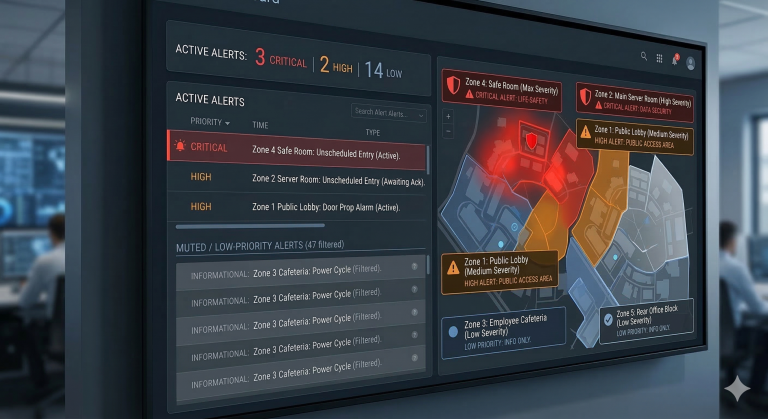
Alarm reconciliation also isn’t a one-and-done task. Things change – operators come and go, camera views get obstructed, and business hours shift. Professional services deliver deliberate change management processes and the oversight required to maintain continuous security. Even when expectations have been clearly set, changing people’s workflows can meet resistance. Having a third party in place helps maintain objectivity and keeps all stakeholders aligned on the “why”.
When a lot of people hear alarm reconciliation, their minds immediately jump to the solutions built to accomplish such tasks, such as a new AI video analytic that promises to reduce false alarms or spam filtering software. The truth is, effective alarm reconciliation is less about the technology itself and more about how that technology is planned, implemented, and sustained.
Think of professional services and those that provide them as the bridge between technology and outcomes. They bring the strategy and framework necessary to ensure alarms are understood and acted upon in ways that align with business risk and operational realities.
About Atriade
Atriade is a trusted security consulting firm with decades of experience delivering tailored security solutions. We specialize in security system design for access control, perimeter protection, video surveillance, visitor management, and other advanced physical security technologies.
Our expertise also extends beyond system design to include security master planning, program development, risk assessments, professional services, and end-to-end project management.
For more than 20 years, we have partnered with Fortune 50 companies, Ivy League universities, and leading technology firms in Silicon Valley to help them navigate complex security challenges with a strategic, forward-thinking approach.
Visit us online at Atriade.com
Connect with us on LinkedIn
Subscribe to our LinkedIn Newsletter Take A Risk
What is alarm reconciliation in a physical security program?
Alarm reconciliation is a structured process that evaluates alarm signals based on risk, operational context, and organizational governance to ensure alarms trigger meaningful action. It goes beyond filtering false alarms by determining which signals matter, how they should be prioritized, and how teams should respond. When not managed through structured professional services, alarm handling often becomes inconsistent, creating ad hoc responses and contributing to alarm fatigue across operations.
How does functional design influence alarm prioritization and response procedures?
Functional design starts by identifying what the organization is trying to achieve and evaluating how alarm signals support those objectives. Signals are then ranked based on risk, allowing teams to determine which alerts require immediate action and which can be deprioritized. This process shapes standard operating procedures, response protocols, sensor placement, alert routing, and approaches for managing false alarms so the system reflects operational realities.
Why is stakeholder engagement important when implementing alarm reconciliation processes?
Alarm management affects multiple roles across an organization, making stakeholder engagement essential for aligning strategy with operational realities. Leadership helps ensure alignment with organizational priorities, management highlights recurring operational challenges, and operators provide insight into workflows and alarm frequency. Structured engagement also ensures governance considerations are addressed, guiding system configuration, workflow design, and resource allocation without unnecessarily involving stakeholders who are not directly impacted.
Why is user acceptance testing necessary when deploying alarm reconciliation across multiple locations?
User acceptance testing allows organizations to observe how alarm workflows perform in a real environment before scaling deployment. Testing at a single location helps teams evaluate changes in alarm volume, confirm that critical alerts remain visible, and identify operational gaps. Because the testing involves the people responsible for monitoring and responding to alarms, it reveals practical issues that cannot be identified through planning alone.
- Categories:
- Professional Services